Guide
Smart heating controls — cost, choice and good practice
What affects the cost of smart heating controls, how to split your home into zones and how to match the system to radiators, underfloor heating, a boiler or a heat pump.
What does the cost of heating controls depend on?
The starting point is the number of heat emitters and zones: one head for every radiator, one actuator for every underfloor loop, one wiring centre for every manifold and one thermostat in every zone. With Wunda Smart you also need one hub for the whole home.
On top of the equipment there is installation: swapping the radiator heads, fitting wiring centres at the manifolds, providing a 230 V supply, wiring the boiler and setting everything up. We quote this individually, as it depends on the property.
How much can I save?
The saving comes from heating each room only when and as much as it needs: bedrooms cooler at night, the bathroom warmer in the morning, unused rooms set back. As a rule of thumb, turning the temperature down by 1°C cuts heating energy use by around 5–6%.
How much you save in practice depends on the building, the heat source and your habits — the biggest difference is in homes where every room used to be heated the same all day.
Radiators — smart heads instead of standard ones
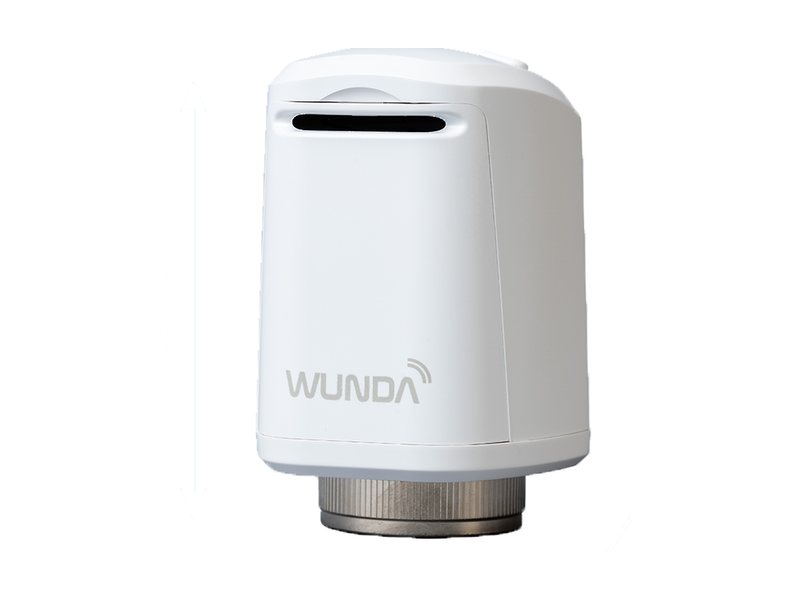
A smart radiator head replaces the standard thermostatic head — it fits onto the existing radiator valve, with no draining down and no chasing. It fits most valves with an M30×1.5 thread; other valves need an adapter.
Wunda heads are wireless and battery powered. They recalibrate themselves once a week so that the valve closes accurately. The batteries last around a year — depending on how far the heads and thermostats are from the hub and how often the devices switch on and off.
Underfloor heating — wiring centre, actuators and thermostats
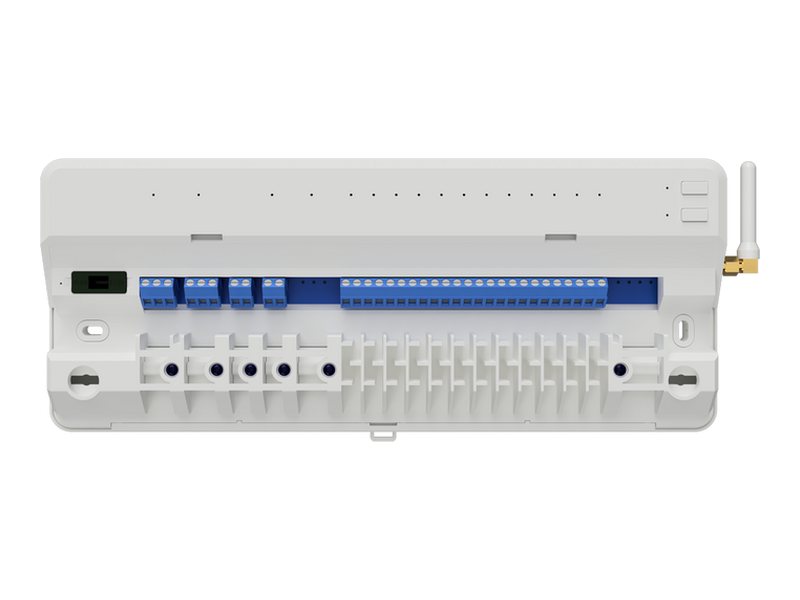
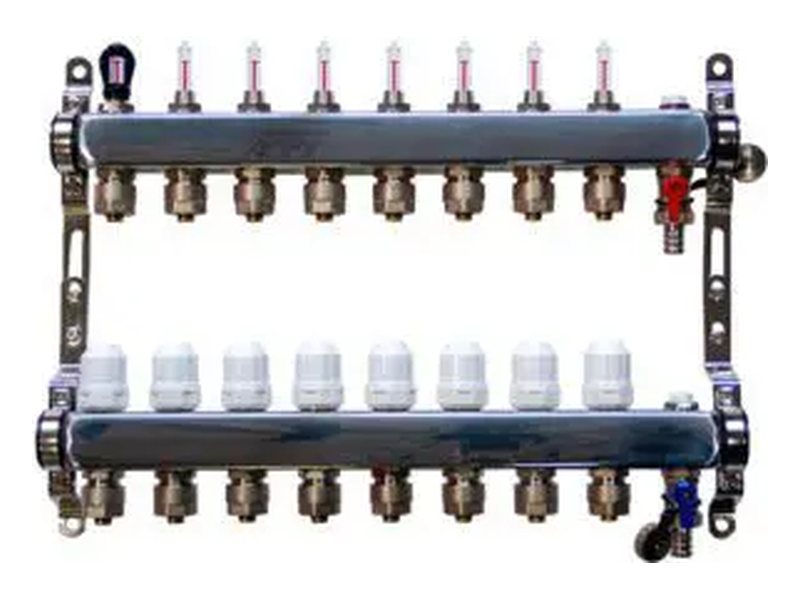
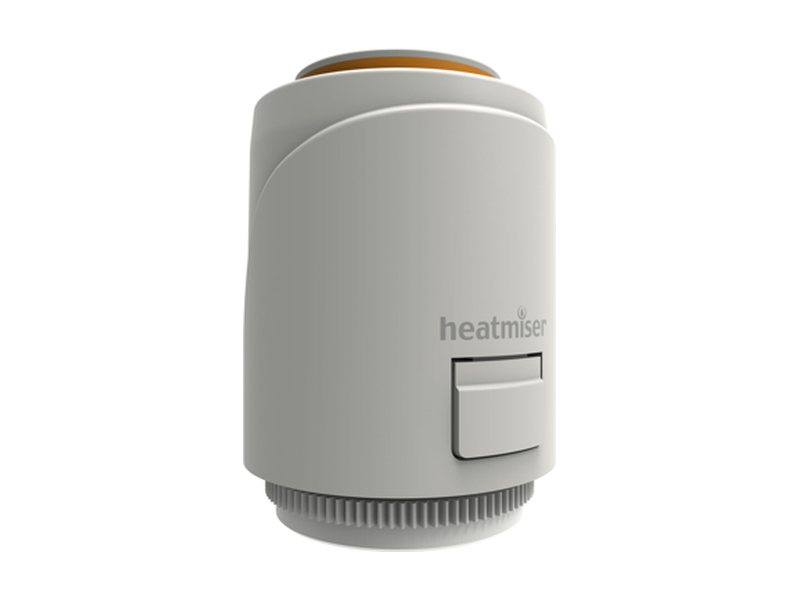
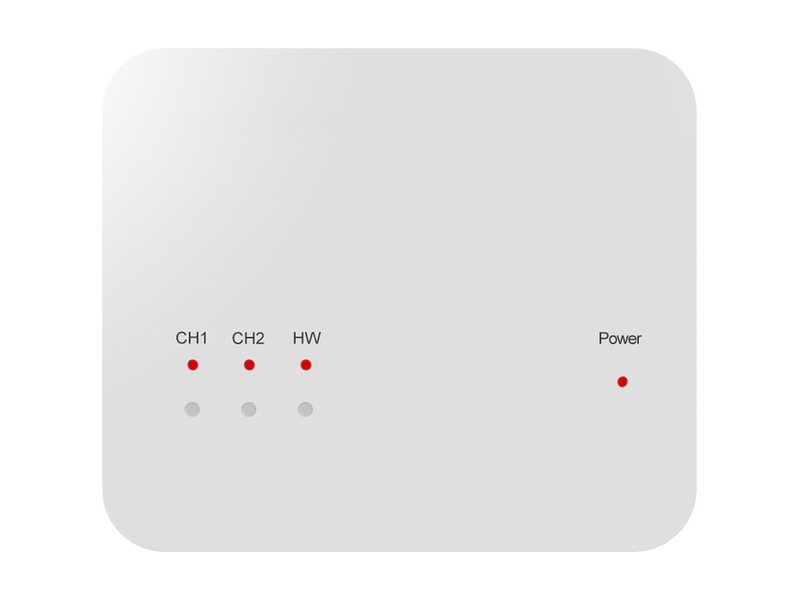
With underfloor heating, water flows to the rooms in loops from the manifold. Each loop valve gets an actuator that opens and closes it. The actuators are wired to a wiring centre at the manifold, which acts on requests from the thermostats.
The easiest way to count the loops is on the manifold (the pairs of valves on the upper and lower rail) or on the underfloor heating drawings. Bear in mind that the wiring centre needs a 230 V supply — if there is no socket or fused spur near the manifold, a circuit has to be run to it.
How should I split my home into zones?
A zone is a room or a group of rooms with its own temperature and schedule — each has one thermostat. Typically each bedroom, bathroom, the open-plan living area and a home office are separate zones.
- Group rooms that are used in a similar way — e.g. a hallway and landing — so you do not pay for thermostats nobody will touch.
- Always keep bathrooms separate — they usually need to be warmer than the rest of the home.
- A large room with several loops is still one zone — its thermostat controls all of its loops together.
Wunda Smart or Heatmiser?
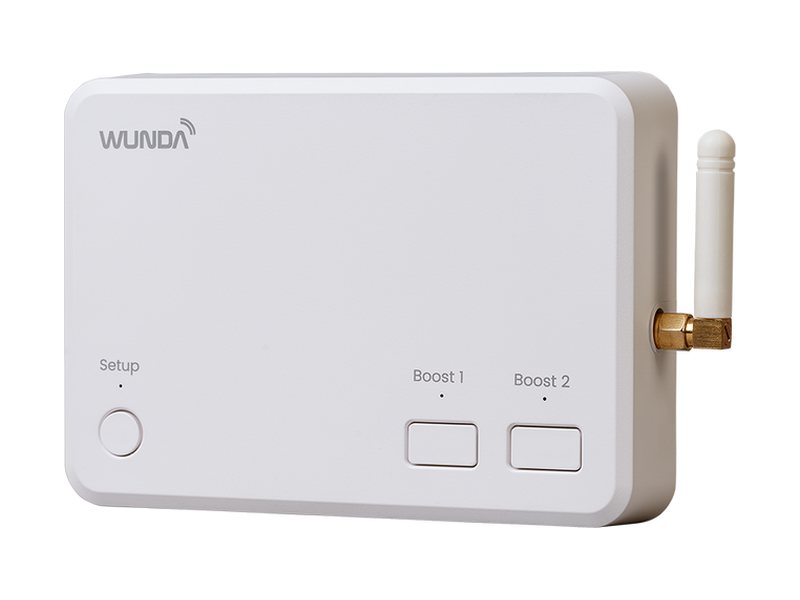
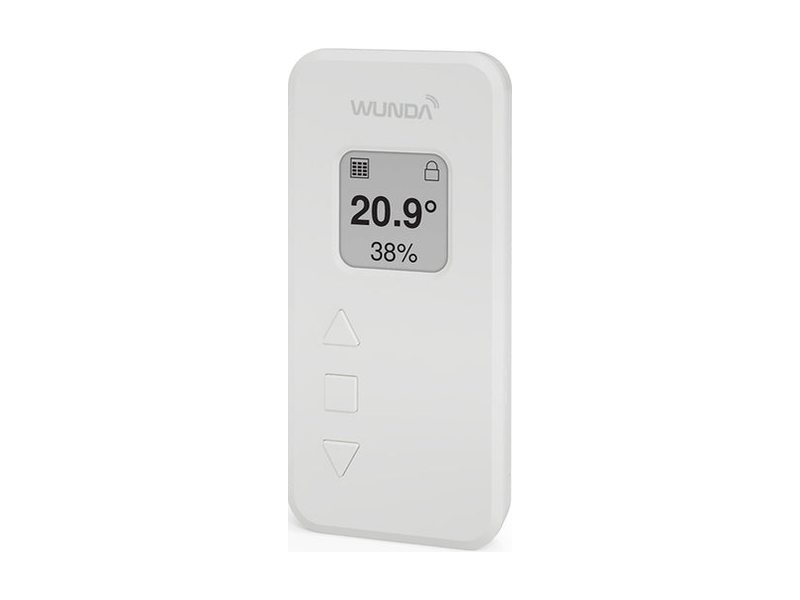
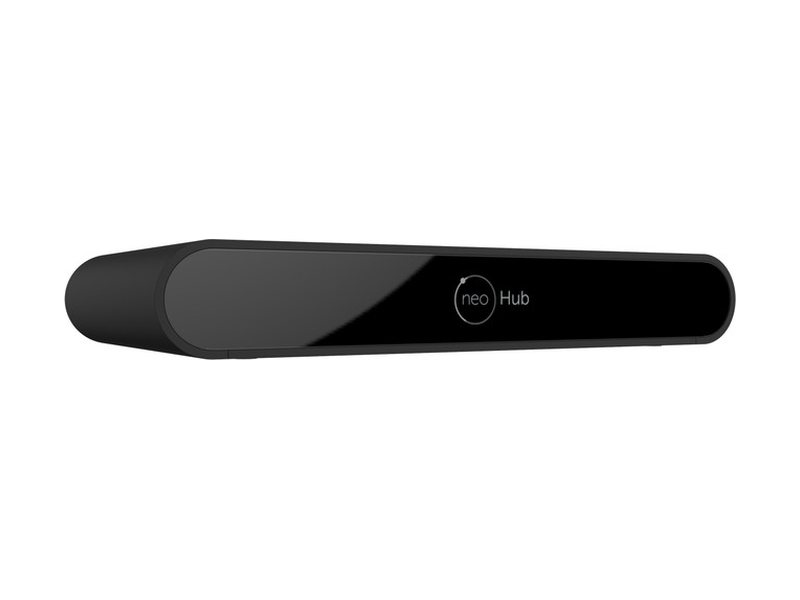
Wunda Smart handles radiators, underfloor heating and mixed systems in one system. Everything connects to a hub that talks to the devices by radio and to the internet with a LAN cable. You control it from the app or from the thermostats on the wall.
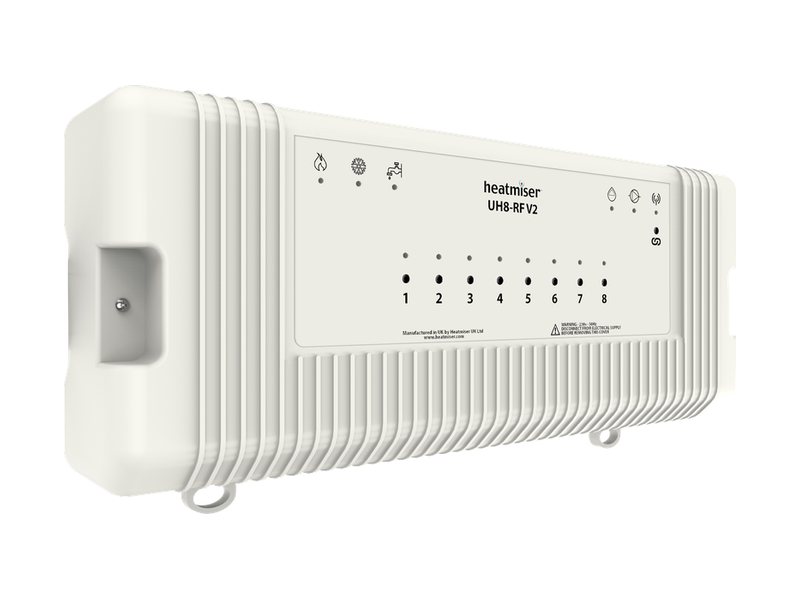
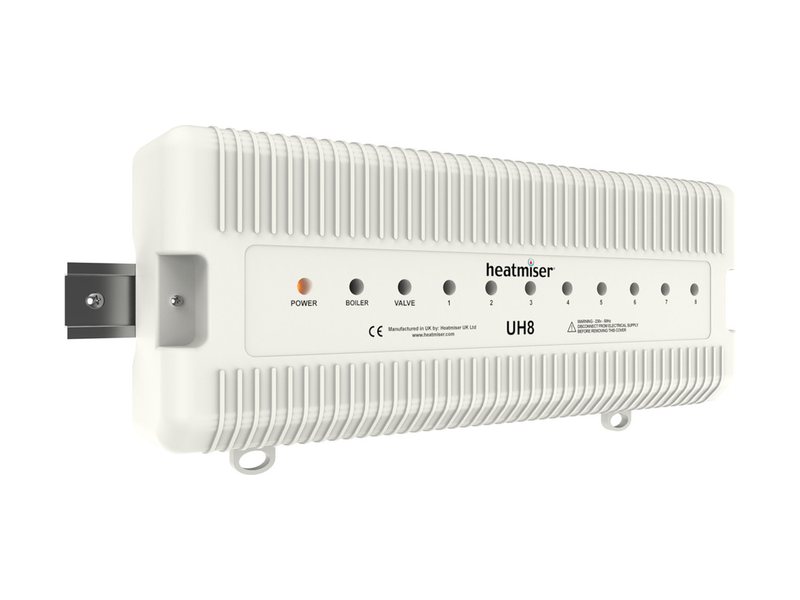
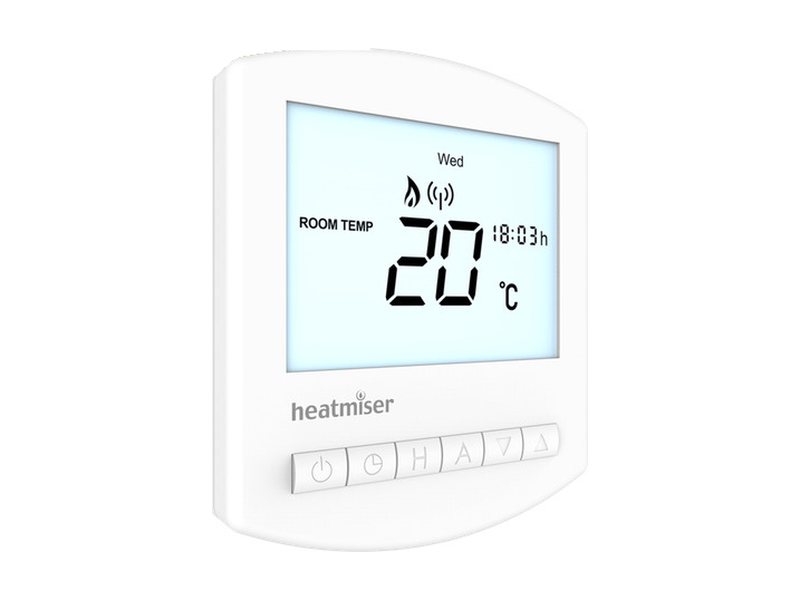
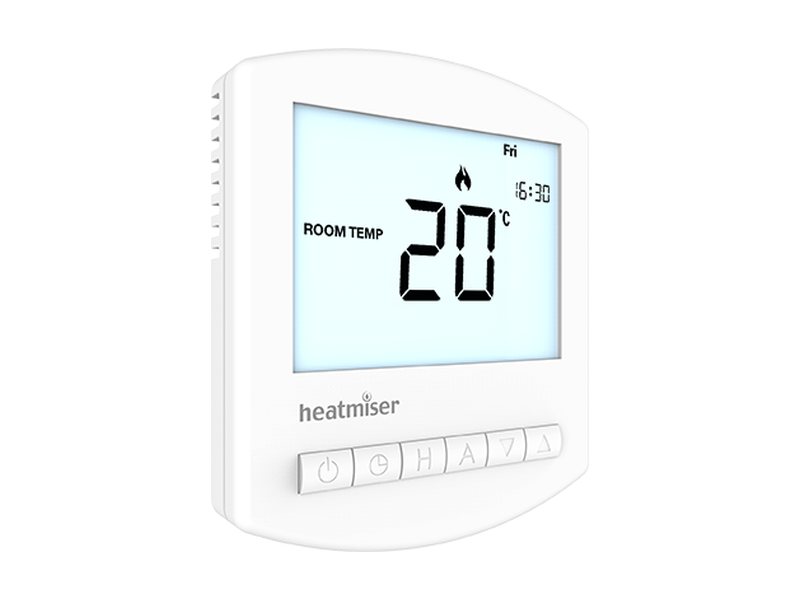
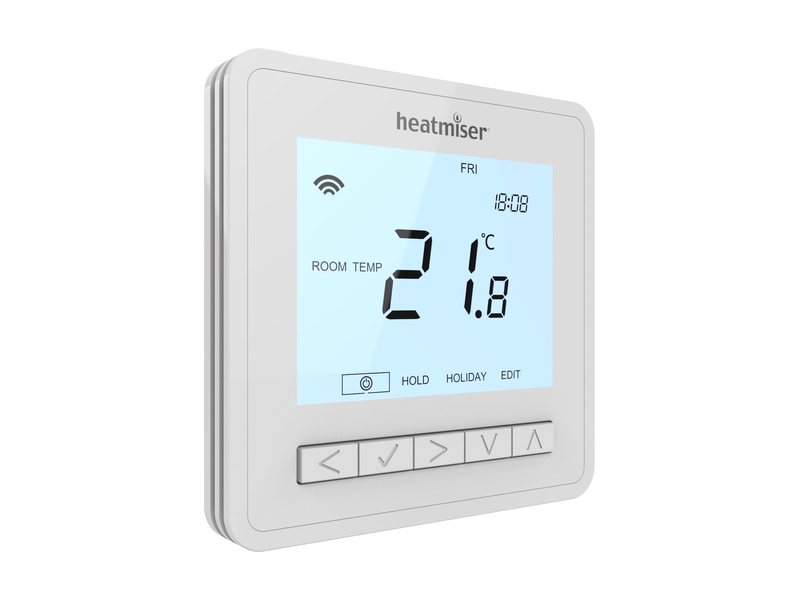
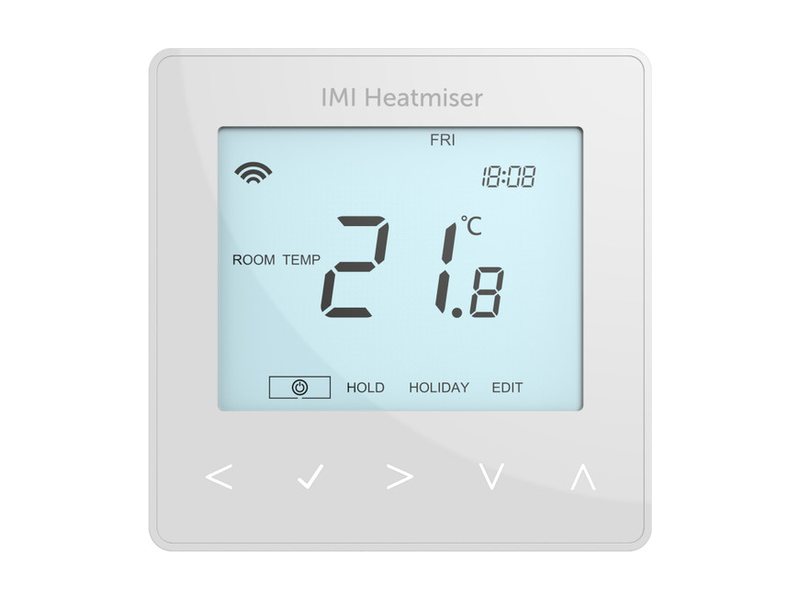
Heatmiser is an option for underfloor heating only. Wiring centres sit at the manifold and handle up to 8 zones each. The thermostats can be wireless — no cables need to be run to the rooms, so no building work is required — or wired, which need cables run to the thermostats (during a refurbishment or in a new build). The advantage of wired thermostats is that there are no batteries to change. Choose standard programmable thermostats, or smart neo thermostats with a neoHub for control from your phone.
Working with a boiler or heat pump
For the controls to make sense, the heat source needs to know when a zone calls for heat. That is why the boiler is wired to the hub or to a wiring centre — depending on where the devices are and where a cable can be run.
With a heat pump you need to make sure there is a minimum water flow when most loops are closed — for example one loop that always stays open, or a buffer tank. We agree these details during the survey, together with your heating engineer if needed.
How do I prepare for a quote?
Have the number of radiators in each room ready, photos of the underfloor manifolds (they show the number of loops and the space for the wiring centre) and a note of where the boiler or heat pump and the router are. A floor plan showing how you would like to split the home into zones helps too. The calculator result is a good starting point, and we confirm the final price including installation after a survey.
Frequently asked questions
Do the calculator prices include VAT?
Yes — the calculator shows equipment prices including 20% VAT, with the price excluding VAT shown underneath.
Does the price include installation?
No. The calculator covers the cost of the equipment. Installation, wiring, the supply to the wiring centres, boiler wiring and set-up are quoted individually, as they depend on the property and where the devices go.
Does the heating work without the internet?
With Wunda Smart, yes — the devices talk to the hub by radio, so the heating keeps following its schedule. Without the internet you just cannot change the settings from the app when you are away from home.
Can I control radiators and underfloor heating together?
Yes — with Wunda Smart. Choose mixed heating in the calculator and we will include heads for the radiators and wiring centres and actuators for the manifolds.
Can the controls be fitted to an existing heating system?
Yes. The heads fit onto the existing radiator valves, and the wiring centre and actuators go at the underfloor heating manifold. Wireless thermostats need no cables, so no building work is required. Wired thermostats need cables run to them — which usually means some building work. Their advantage is that there are no batteries to change.
Where do you fit heating controls?
We are based in Croydon and work across London and the surrounding area — flats, houses and commercial units.